
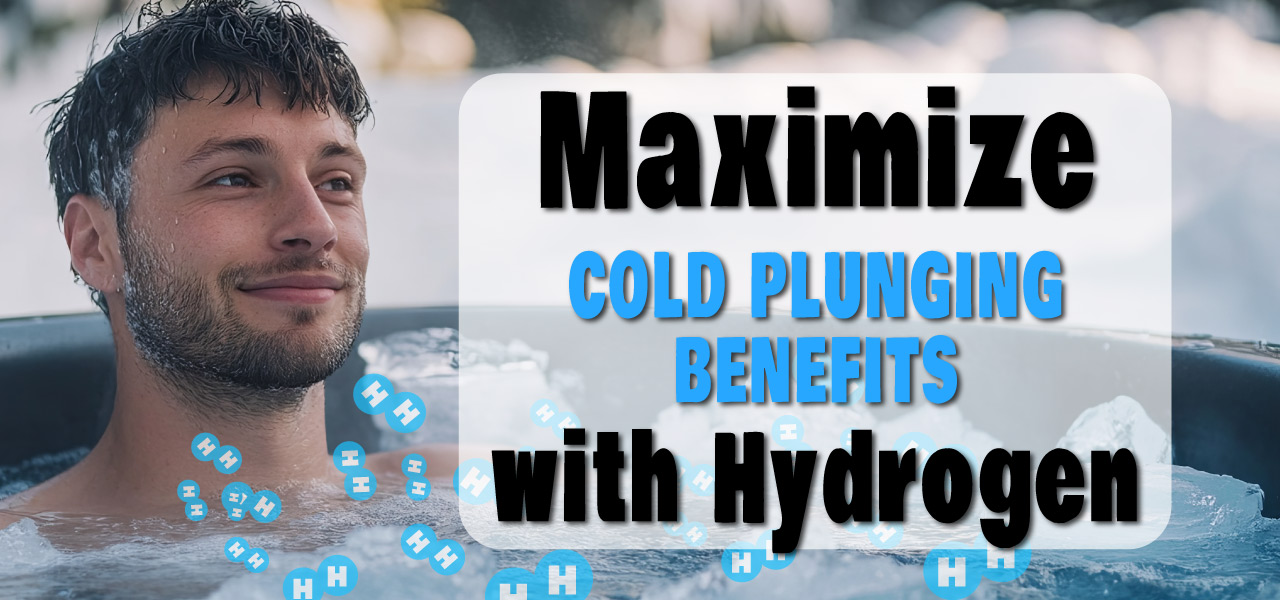
Maximize Your Cold Plunge Benefits with Molecular Hydrogen Bath
Maximize Your Cold Plunge Benefits with Molecular Hydrogen Bath
Molecular hydrogen, a simple element composed of two hydrogen atoms, has garnered significant attention in recent years due to its potential health benefits, particularly in the realm of wellness and recovery. This interest parallels practices like maximizing cold plunging and cold water immersion, where individuals expose their bodies to cold temperatures to reduce inflammation and soreness, enhance blood vessel function, and stimulate the nervous system. Just as cold therapy, including ice baths and cold showers, can promote a robust cold plunge routine, molecular hydrogen may offer unique advantages when incorporated into these practices. For those new to cold water exposure, understanding the benefits of cold plunging alongside the emerging science of molecular hydrogen can provide a comprehensive approach to improving overall health and resilience. Today we will learn how we can effectively combine these two therapies to optimize and biohack the body to work better.

What is Cold Plunging?
Cold plunging, also known as cold water immersion, involves immersing the body in cold water, typically between 50°F to 60°F (10°C to 15.5°C), to harness various health benefits. This practice exposes the body to cold temperatures, triggering the cold shock response and stimulating the nervous system, which can enhance blood circulation, reduce inflammation, and alleviate soreness. Regular cold plunging is a form of cold therapy that helps in maximizing the benefits of cold exposure by improving recovery, boosting mood, and increasing overall wellness. Whether you’re new to cold plunging or a seasoned cold plunger, it’s essential to listen to your body and gradually increase the duration of your immersion to safely enjoy the maximum benefits.
Key Benefits of Cold Plunging
Cold plunging, or cold water immersion, offers numerous scientifically-backed health benefits, including:
- Improved Mental Resilience: Regular exposure to cold water can enhance the ability to cope with stress and improve mental toughness.
- Enhanced Immune Function: Cold plunging may boost the body’s immune response, aiding in overall health and disease prevention.
- Increased Blood Circulation: Immersion in cold water stimulates blood flow, promoting cardiovascular health.
- Reduced Muscle Soreness: Cold water therapy is effective in alleviating muscle pain and soreness after intense exercise, aiding recovery.
- Boosted Metabolism: Cold exposure can increase metabolic rate, potentially aiding weight management and fat loss.
- Improved Sleep Quality: Regular cold plunging may help enhance sleep patterns, leading to better quality of rest.
- Enhanced Mental Clarity: Exposure to cold can sharpen focus and mental clarity, enhancing cognitive performance.
These benefits make cold plunging a valuable practice for physical and mental well-being
Why Cold Plunging is Beneficial for Athletes
Cold plunging, or cold water immersion, offers athletes numerous health benefits that can significantly enhance their overall training and recovery. Engaging in cold exposure through methods such as ice baths or cold showers helps to reduce inflammation and alleviate soreness after intense workouts.
The practice of cold plunging works by immersing the body in cold water, which triggers a cold shock response. This initial shock can be uncomfortable, but it encourages the body to adapt and increases tolerance to the cold over time. Athletes who regularly incorporate cold water therapy into their routines often report improved recovery times and reduced muscle soreness.
When athletes expose their bodies to cold temperatures, blood vessels constrict, which helps to minimize swelling and inflammation. After exiting the cold plunge, blood vessels dilate, promoting better circulation and delivering oxygen and nutrients to the muscles. This cycle of constriction and dilation is vital for maximizing recovery and enhancing performance.
For those new to cold plunging, it’s suggested to start with short durations, such as 30 seconds, and gradually increase the time as your body becomes accustomed to the exposure. Listening to your body is crucial; if you feel too uncomfortable, it may be time to exit the cold water. Seasoned cold plungers often find the perfect cold plunge routine that suits their individual needs, whether it’s a morning plunge, afternoon plunge, or evening plunge.
Cold plunge tips include creating a cold plunge schedule that incorporates regular cold exposure to maximize the benefits. Establishing a consistent routine helps athletes better adapt to cold water swimming and enhances their overall wellness.
In conclusion, the benefits of cold plunging and cold water therapy are extensive, offering athletes a powerful tool for enhancing their training and recovery processes. By immersing themselves in cold water, they can reduce inflammation, improve circulation, and ultimately achieve maximum benefits from their workouts.
Frequently Asked Questions about Cold Plunging
How long should I stay in a cold plunge?
Beginners: Start with 1–2 minutes and gradually increase.
General guideline: Most benefits are achieved in <strong data-start=”1094″ data-end=”1109″>2–5 minutes.
ta-end=”1126″>Maxim</strong>um</strong>: Rarely more than ata-end=”1159″>10 minutes is recommended, as prolonged exposure can be unsafe.
What is the ideal temperature for a cold plunge?
Typical range: 10–15°C (50–59°F).
For beginners: Start closer to 15°C (59°F).
Advanced / experienced: Some go as low as 7–10°C (45–50°F), but it’s not necessary for benefits.
Can cold plunging help with muscle recovery?
Yes. Cold plunging is widely used by athletes because:
It reduces delayed onset muscle soreness (DOMS).
It lowers inflammation and helps flush out metabolic waste.
It can help you recover faster between workouts and return to training sooner.
However, for strength or muscle growth goals, too much cold exposure immediately after training may slightly blunt adaptations. Many athletes now use cold plunging on rest days or several hours after training rather than immediately post-workout.
Are there any risks or contraindications for cold plunging?
Yes — while beneficial, cold plunging isn’t safe for everyone. Risks include:
Shock response – Sudden immersion can cause hyperventilation or dizziness.
Cardiovascular strain – People with heart conditions, high blood pressure, or vascular issues should consult a doctor first.
Hypothermia – Staying in too long or using water that’s too cold.
Nerve or skin damage – Rare, but possible with extreme exposure.
What is Molecular Hydrogen?
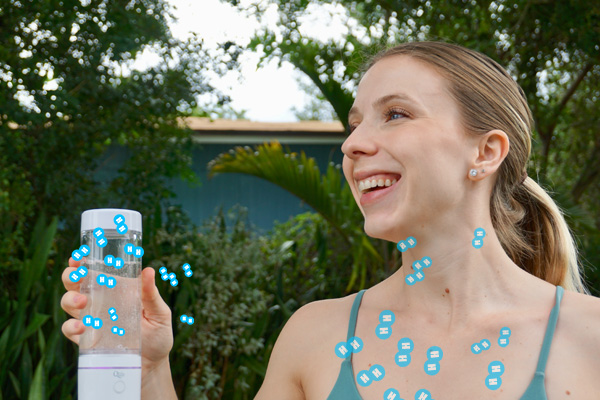
Today, more and more health experts are recommending molecular hydrogen as a therapeutic gas for overall health and wellness, highlighting its potential benefits in various areas of physical and mental well-being. This simple yet powerful molecule is gaining recognition for its ability to act as a potent antioxidant, reducing oxidative stress in the body and aiding in recovery from intense physical activities. Molecular hydrogen gas is usually created through a chemical reaction with an h2 tablet or an electrolysis process, which uses electricity to generate molecular hydrogen gas with a special PEM / SPE membrane.
Read this: Not Using SPE / PEM membrane? Throw your H2 Bottle away.
As individuals seek to enhance their health routines, the incorporation of molecular hydrogen is becoming increasingly popular, especially among those interested in optimizing their wellness strategies. By exploring the advantages of this innovative gas, individuals may find new ways to support their health, improve their performance, and ultimately contribute to a more balanced lifestyle.
Key Benefits of Molecular Hydrogen
- Reduces inflammation: Molecular hydrogen has been shown to help reduce inflammation in the body, enhancing recovery after cold water immersion or cold plunging.
- Enhances wellness: Regular exposure to molecular hydrogen can improve overall wellness, especially when combined with cold therapy practices.
- Supports nervous system health: Molecular hydrogen may provide neuroprotective effects, which can be beneficial after experiences of cold exposure and the initial shock of cold plunges.
- Improves blood vessel function: By supporting vascular health, molecular hydrogen can help maximize the benefits of cold water therapy, ensuring better circulation during and after cold plunges.Here is a amazing article with research and studies you need to check out: 10 Benefits on Molecular Hydrogen for Health
Frequently Asked Questions of Molecular Hydrogen
1. What is molecular hydrogen?
Molecular hydrogen (H₂) is the smallest and lightest molecule, made of two hydrogen atoms. When consumed in water or inhaled, it acts as a selective antioxidant with potential health benefits.
2. What are the health benefits of molecular hydrogen?
- Reduces oxidative stress and inflammation
- Improves energy and recovery
- Supports brain and heart health
- Enhances athletic performance
- Promotes overall wellness and healthy aging
3. How do you take molecular hydrogen?
There are basically 3 main ways that people get molecular hydrogen in the system. The first way is the most common and that is by drinking hydrogen-rich water. The second method is by inhalation of hydrogen gas through a H2 inhalation machine. Lastly, the third way to get hydrogen into the body is through transdermal hydrogen therapy by using hydrogen baths or h2 sprays (topical use). Each method of getting hydrogen has their benefits and would be used in different scenarios.
Check out the benefits of Hydrogen inhalation here: Benefits of Brown’s Gas Hydrogen Inhalation
4. Is molecular hydrogen safe?
Yes. It is non-toxic, and any excess hydrogen is exhaled naturally. Studies show it is safe for long-term use without significant side effects.
5. Is there scientific research supporting molecular hydrogen?
Yes. Since 2007, more than 1,000 peer-reviewed studies have examined molecular hydrogen, showing promising results for health, recovery, and wellness.
Combining the benefits of Molecular Hydrogen with Cold Plunging
Now imagine if you can combine the benefits of cold plunging with molecular hydrogen, creating a powerful synergy that enhances recovery and boosts overall health. Cold plunging is known for its ability to reduce inflammation, alleviate muscle soreness, and improve circulation, while molecular hydrogen is recognized for its antioxidant properties and potential to support cellular health. By integrating these two practices, you could maximize the effects of cold plunging, potentially leading to faster recovery times, improved athletic performance, and a greater sense of well-being. This innovative approach could revolutionize how individuals utilize cold therapy to optimize their physical and mental health.
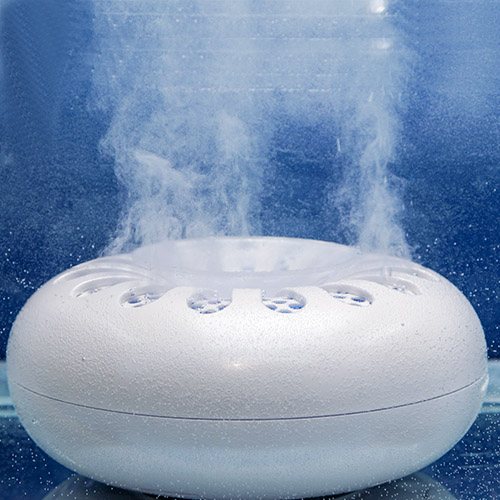
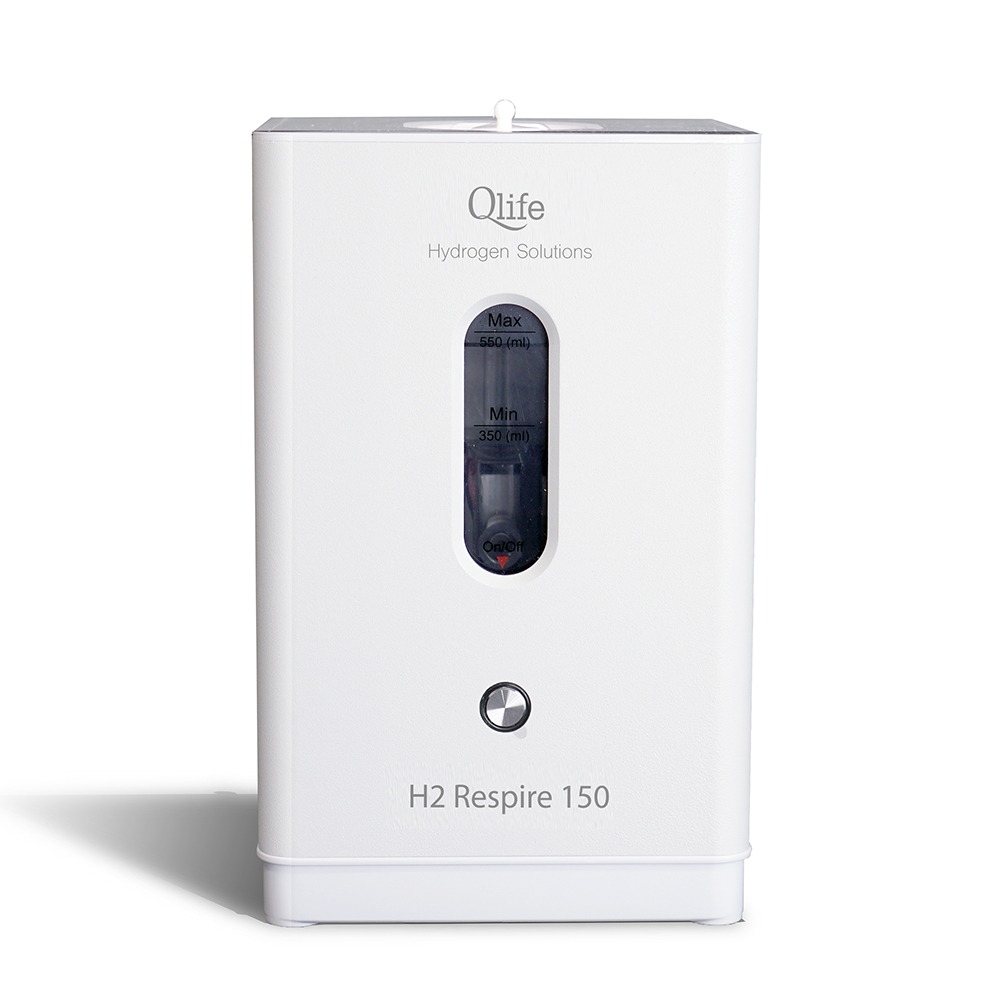
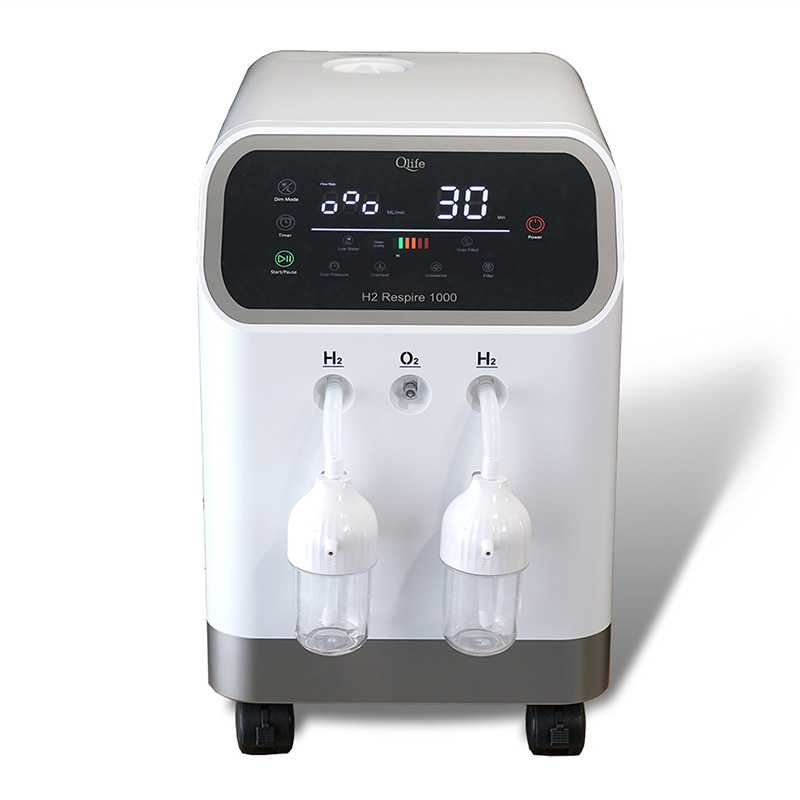
Joshua J. Holland is a wealth of experiential knowledge and wisdom. A dedicated biohacker, state of the art fitness trainer, holistic health coach and sports professional, he champions the philosophy of “awareness through experience.” Josh has created a biohack protocol to optimize health benefits of both molecular hydrogen and cold plunging with the use of the Qspa Hydrogen Bath, H2 Respire 1000, and Hydragun supertub.
Disclaimer: The information provided is for educational and informational purposes only and is not intended as medical advice. Molecular hydrogen products are not intended to diagnose, treat, cure, or prevent any disease. Always consult with a qualified healthcare professional or your physician before starting any new health, wellness, or supplement routine, especially if you have a medical condition, are pregnant, nursing, or taking medication.
Optimized Cold Plunge Protocol with Molecular Hydrogen
Step 1: Prepare cold plunge
Step 2: Add in molecular hydrogen generation while preparing cold plunge at 60 degrees.
Step 3: Turn on Molecular hydrogen bath generator for second run and generate molecular hydrogen while in the bath.
Step 4: Turn on H2 inhalation machine with cold plunge cycle to maximize H2 levels in body for about 20 minutes
You can watch the full video of Joshua’s experience and here.
Also if you are looking for the Qspa Hydrogen Bath or H2 Respire device:
www.qlifetoday.com/shop

Expand Your Knowledge on the benefits of molecular Hydrogen:
Get our Free Digital Book Today and learn about the comprehensive benefits of molecular hydrogen today the methods to get hydrogen into the body and how molecular hydrogen is backed by over 1900+ studies for over 190 disease models.
Want to Optimize Your Cold Plunge With Molecular Hydrogen?
Limited Time Offer:
Original price was: USD $1,279.00.USD $1,151.00Current price is: USD $1,151.00.
10% Off
Limited Time Offer:
Original price was: USD $3,105.00.USD $2,794.00Current price is: USD $2,794.00.
10% Off
